X



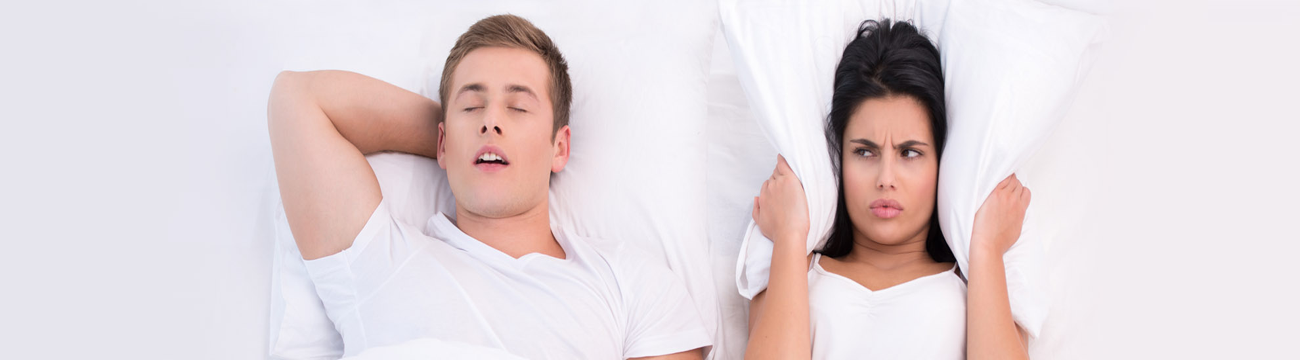


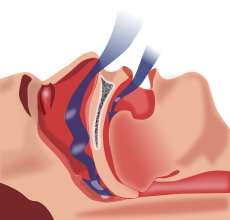
Obstructive sleep apnea (OSA) is caused by obstruction of the upper airway. Despite the effort to sleep, repetitive pauses in breathing during the sleep called Obstructive Sleep Apnea.
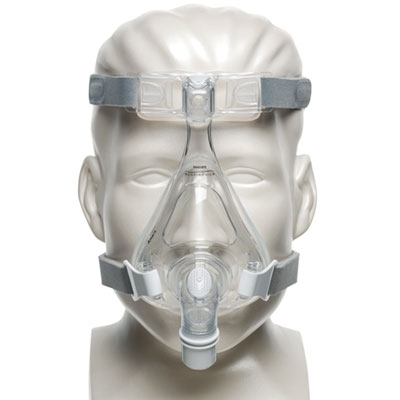
Losing weight, Quitting Smoking usually helps in improving Sleep Apnea. If these measures don't improve then there are treatments such as CPAP (Continuous Positive Airway Pressure), BiPAP (Bilevel Positive Airway Pressure) are available.
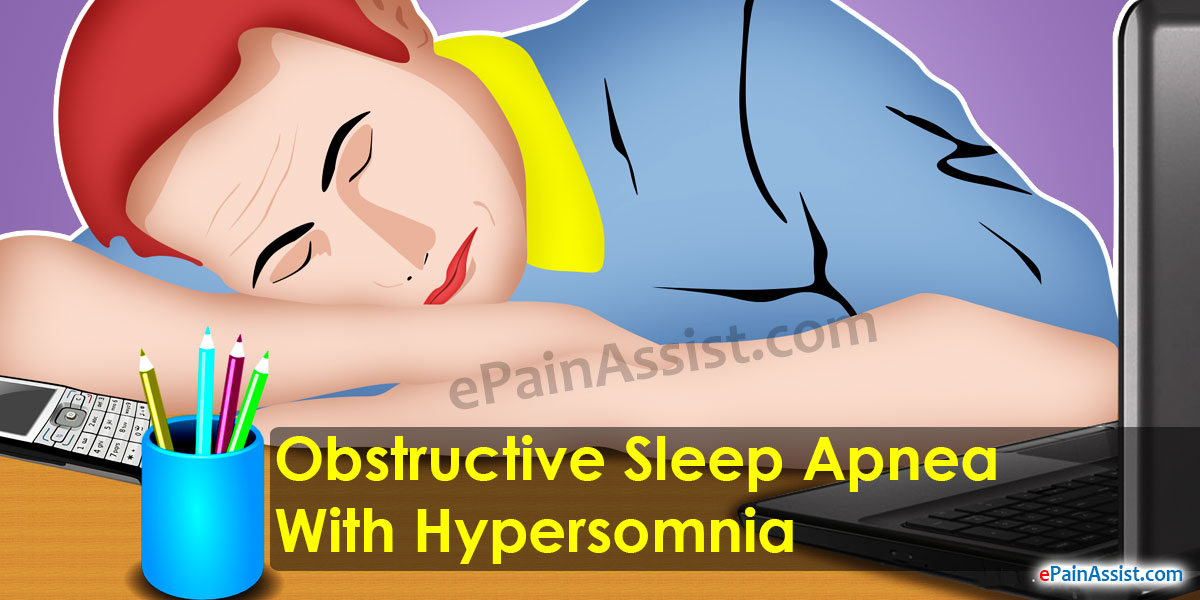
Choking and gasping for breath during sleep that may cause you to awaken Unusual sleepiness, irritability and decreased energy levels during the day. Interrupted sleep patterns, insomnia, and headache upon awakening.
 Insomnia
Insomnia involves both a sleep disturbance and daytime symptoms. The effects of insomnia can impact nearly every aspect of your life. Studies show that insomnia negatively affects work performance, impairs decision-making and can damage relationships. In most cases, people with insomnia report a worse overall quality of life.
Details
Depression
Depression is a feeling of severe despondency and dejection. Insomnia is very common among depressed patients. Evidence suggests that people with insomnia have a ten-fold risk of developing depression compared with those who sleep well. Depressed individuals may suffer from a range of insomnia symptoms, including difficulty falling asleep (sleep onset insomnia), difficulty staying asleep (sleep maintenance insomnia), refreshing sleep, and daytime sleepiness. However, research suggests that the risk of developing depression is highest among people with both sleep onset and sleep maintenance insomnia.
Details
Snoring
Obstructive Sleep Apnoea (OSA) is defined as the cessation of airflow during sleep preventing air from entering the lungs caused by an obstruction. These periods of 'stopping breathing' only become clinically significant if the cessation lasts for more than 10 seconds each time and occur more than 10 times every hour. OSA only happens during sleep, as it is a lack of muscle tone in your upper airway that causes the airway to collapse.
Details
Blood Pressure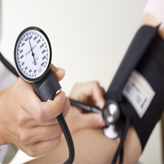
AHA high blood pressure research 2012 scientific researchers found a strong link between sleep quality and a type of Hypertension known as "resistant Hypertension" which does not respond to drug based treatment. Blood Pressure means the pressure of the blood in the circulatory system, often measured for diagnosis since it is closely related to the force and rate of the heartbeat and the diameter and elasticity of the arterial walls.
Details
Diabetes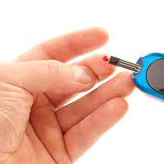
often referred to by doctors as diabetes mellitus, describes a group of metabolic diseases in which the person has high blood glucose (blood sugar), either because insulin production is inadequate, or because the body's cells do not respond properly to insulin, or both. Sleep disturbance, which is often observed among patients with diabetes, is possibly caused by impaired glucose metabolism or physical and psychological discomfort due to the disorder. diabetes.
Details
Heart attack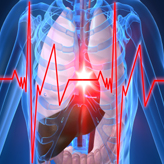
When a snorer repeatedly stops breathing for brief moments, it can lead to cardiovascular problems and potentially be life-threatening. Obstructive sleep apnea is associated with obesity, which is also a major risk factor for heart disease and stroke. Besides obesity contributing to sleep apnea, sleep deprivation caused by sleep apnea can lead to further obesity.
Details
Obesity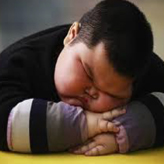
is a medical condition in which excess body fat has accumulated to the extent that it may have a negative effect on health, leading to reduced life expectancy and/or increased health problems. People are considered obese when their body mass index (BMI),a measurement obtained by dividing a person's weight by the square of the person's height, exceeds 30 kg/m2, with the range 25-30 kg/m2 defined as overweight.
Details
Impotence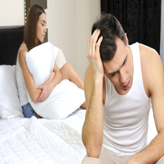
impotence Erectile dysfunction is common in patients with OSA. Sleep apnea induces hormonal alterations, deviations in neural regulation, endothelial dysfunction and changes in micro vascular perfusion that can cause or contribute to the development of ED. Arousal and erection are activated by the parasympathetic nervous system, which controls digestion and reproduction, so too much stress will lessen these functions.
Details
Dementia
Just one bad night’s sleep can have a dramatic effect on your memory – even leading to false memories Research suggests that sleep helps learning and memory in 2 distinct ways.First, a sleep deprived person cannot focus attention optimally and therefore cannot learn efficiently.Second, sleep itself has a role in consolidation of memory which is essential for learning new information. People with obstructive sleep apnea (OSA), a common sleep disorder linked to heavy snoring may loose tissue in brain regions that stores short term memories.A good sleep does more than help sharpen the mind. It helps in physical reflexes, fine motor skills, performance and judgement too.
Details
Restless Leg Syndrome
Just one bad night’s sleep can have a dramatic effect on your memory – even leading to false memories Research suggests that sleep helps learning and memory in 2 distinct ways.First, a sleep deprived person cannot focus attention optimally and therefore cannot learn efficiently.Second, sleep itself has a role in consolidation of memory which is essential for learning new information. People with obstructive sleep apnea (OSA), a common sleep disorder linked to heavy snoring may loose tissue in brain regions that stores short term memories.A good sleep does more than help sharpen the mind. It helps in physical reflexes, fine motor skills, performance and judgement too.
Details